FAQ: Alaska Northern Lights & Arctic Tours 🏔️🌌❄️
1) What are the best Northern Lights tours in Alaska?
The most popular options are aurora viewing tours (guided trips to dark-sky areas), aurora chase tours (moving to find clearer skies), and photography Northern Lights tours for travelers who want great pictures. Many visitors also combine aurora nights with daytime winter adventures for a complete Alaska Arctic experience.
2) Where are the best places in Alaska to see the Northern Lights?
Alaska’s best aurora viewing is typically in areas with dark skies and good access to wide-open horizons away from city lights. Travelers often choose well-known northern bases that offer frequent tours and clear logistics for winter travel.
3) When is the best time for Northern Lights tours in Alaska?
The best time is during aurora season, when nights are long and skies are dark. In general, that’s the colder half of the year. Your success depends most on clear skies and solar activity, so planning multiple nights gives you the best odds.
4) Do Alaska Northern Lights tours guarantee aurora sightings?
No—aurora is a natural phenomenon and can’t be guaranteed. Tours improve your chances by going to darker areas and adapting plans based on weather and visibility. If the Northern Lights are your #1 goal, staying 3–5 nights is one of the best strategies.
5) What’s the difference between an aurora viewing tour and an aurora chase tour in Alaska?
A viewing tour typically goes to a strong dark-sky location and focuses on comfort and waiting for aurora activity. A chase tour is more flexible and can move farther to escape clouds. Choose viewing for simplicity and comfort; choose chase if you want maximum flexibility for clear skies.
6) What Arctic tours can you do in Alaska besides the Northern Lights?
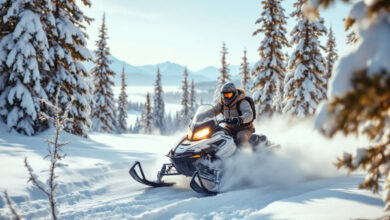
Depending on the region and season, popular winter experiences include snow-based adventures, wildlife-focused outings, and scenic winter landscape experiences. Many travelers build a balanced plan: one aurora night tour plus one or two daytime Arctic activities.
7) How long are Northern Lights tours in Alaska?
Many evening tours run about 3–6 hours, depending on distance to dark-sky locations and conditions. Some tours run longer if skies are changing and the guide wants to maximize your chance of catching aurora activity.
8) What should I wear for Northern Lights tours in Alaska?
Dress extremely warm. Wear thermal base layers, a thick insulating layer, and a windproof winter jacket. Add insulated boots, warm socks, hat, and gloves/mittens. Aurora viewing often means standing outside for a while, so warmth is essential for comfort (and for staying out when the lights finally appear).
9) Are Alaska Northern Lights tours good for photography?
Yes—Alaska can be fantastic for aurora photography when conditions align. Photography-focused tours often help with camera settings and composition. A tripod is strongly recommended for sharp images.
10) Are Alaska Northern Lights tours family-friendly?
Many are, but cold and late-night timing can be challenging for young kids. Families often do best with tours that include heated shelters or warm-up breaks. Shorter tours are usually easier with children.
11) Can Alaska Northern Lights tours be cancelled due to weather?
Sometimes. Severe storms or dangerous road conditions can affect transportation and safety. More commonly, tours run but adjust plans based on cloud cover. Always check operator policies and keep your schedule flexible if possible.
12) How do I choose the best Alaska Northern Lights & Arctic tour?
Start with your base area, then pick your style: viewing tour for comfort, chase tour for flexibility, or a photography tour if photos matter most. Compare group size, inclusions (warm gear, hot drinks, photos), and tour duration to choose the best fit for your trip.