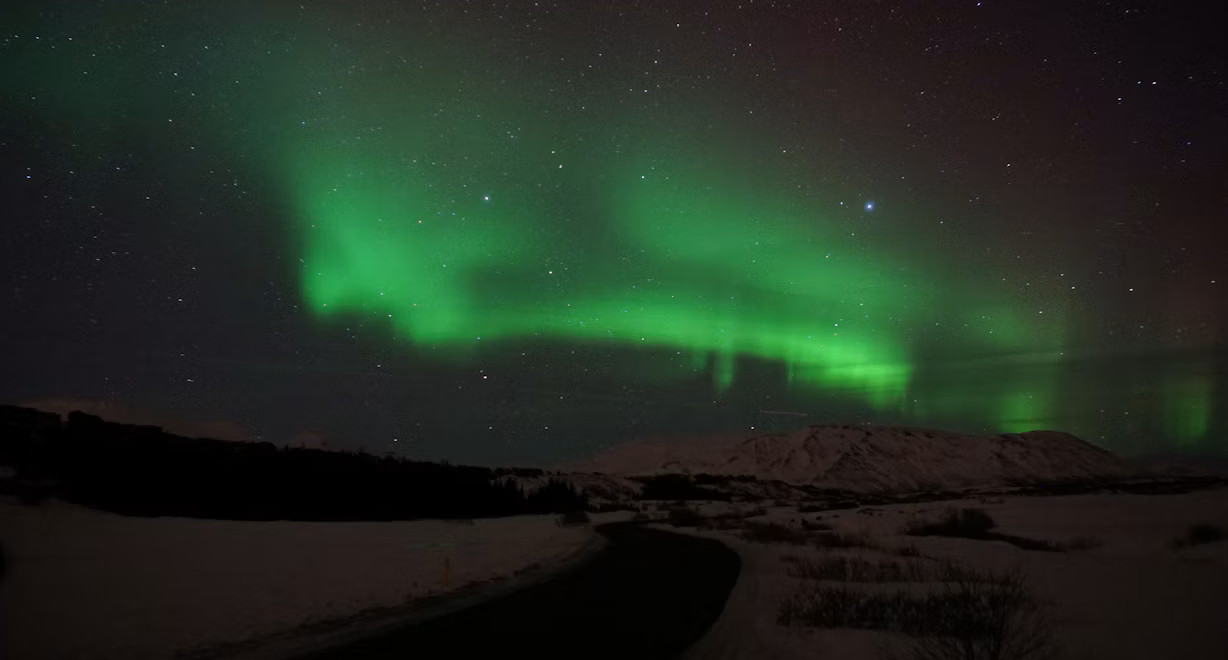
BEST ALL-ROUND FIRST BASE
Reykjavík
A broad choice of guided aurora nights, Golden Circle tours, South Coast excursions, coastal cruises and geothermal experiences.
NORDICSKYTOURS / ICELAND
Compare Iceland’s Northern Lights tours, choose a realistic travel base and add the right glaciers, waterfalls, wildlife and geothermal experiences.
NordicSkyTours helps you distinguish a Reykjavík aurora outing from a South Coast road day, a guided ice-cave expedition and a North Iceland whale safari. Start with the region and season, then compare departure points, weather flexibility and what a tour actually includes.
Natural aurora sightings, wildlife encounters and safe access to glaciers cannot be guaranteed. Check the forecast and the operator’s latest conditions before booking.
For the simplest aurora-first holiday, Reykjavík offers frequent guided departures and easy onward day trips. Akureyri is the practical northern base, while Snæfellsnes suits a slower western-peninsula itinerary. Vík, Jökulsárlón and Húsavík are valuable stops with different travel logistics; none is automatically a quick evening transfer from Reykjavík.
BEST ALL-ROUND FIRST BASE
A broad choice of guided aurora nights, Golden Circle tours, South Coast excursions, coastal cruises and geothermal experiences.
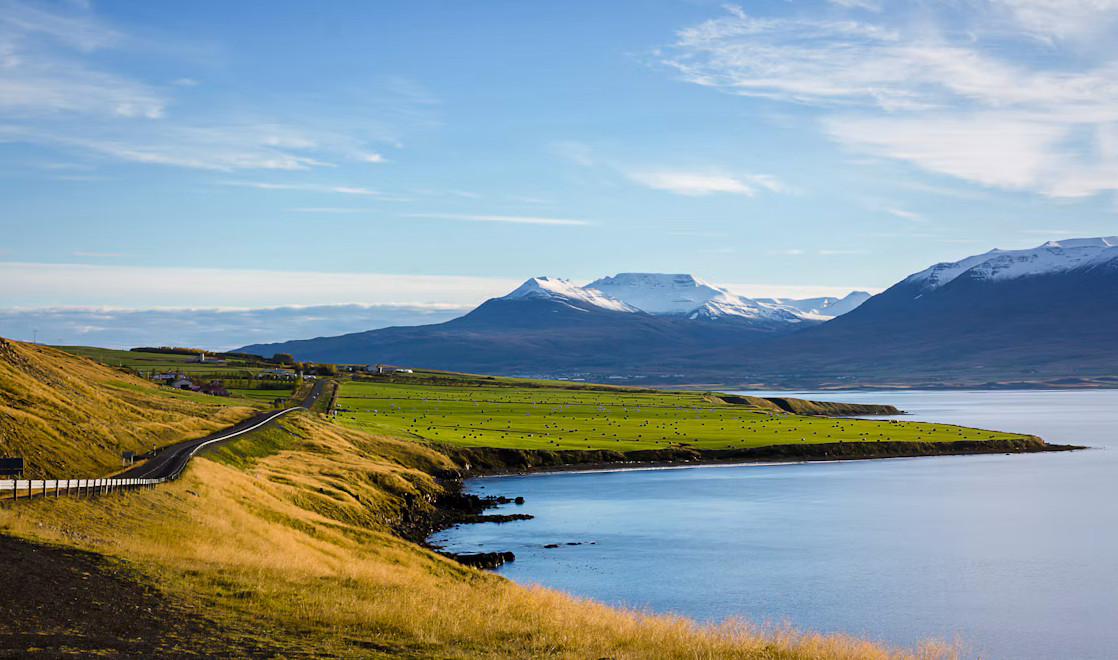
BEST NORTHERN BASE
North Iceland city base for aurora outings, Lake Mývatn, Goðafoss and access toward Húsavík.
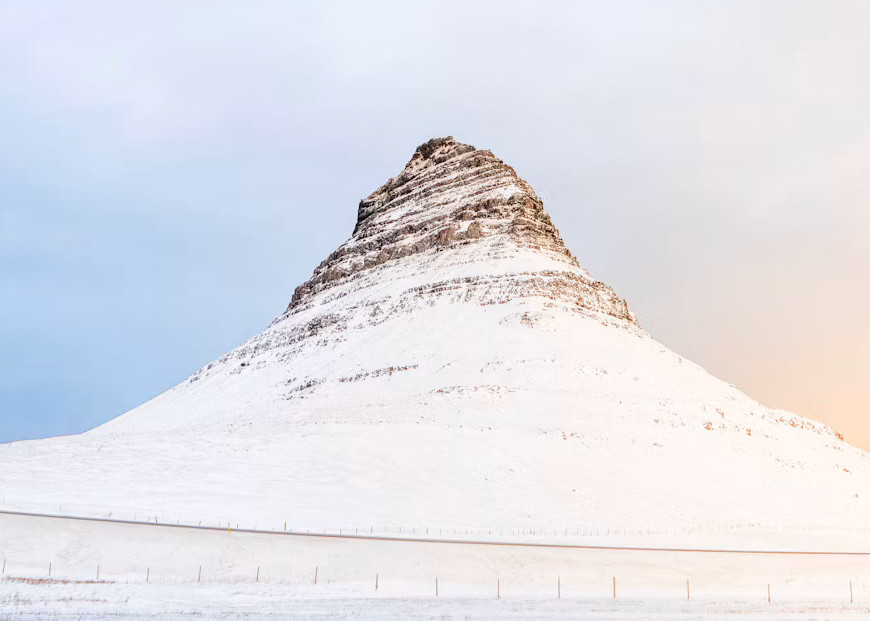
BEST FOR SCENERY AND DARKER COUNTRYSIDE
Western landscapes, Kirkjufell and scenic overnight stops; a compelling extension beyond the capital region.
Three additional regions have strong activity appeal, but a different purpose from a simple Reykjavík-based aurora trip:
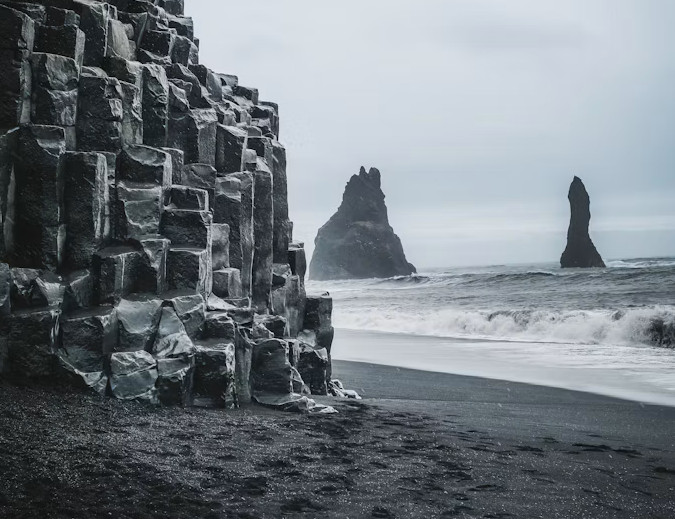
BEST FOR BEACHES AND KATLA ICE CAVE
Black-sand coastline, waterfalls and guided glacier-area adventures near Vík.
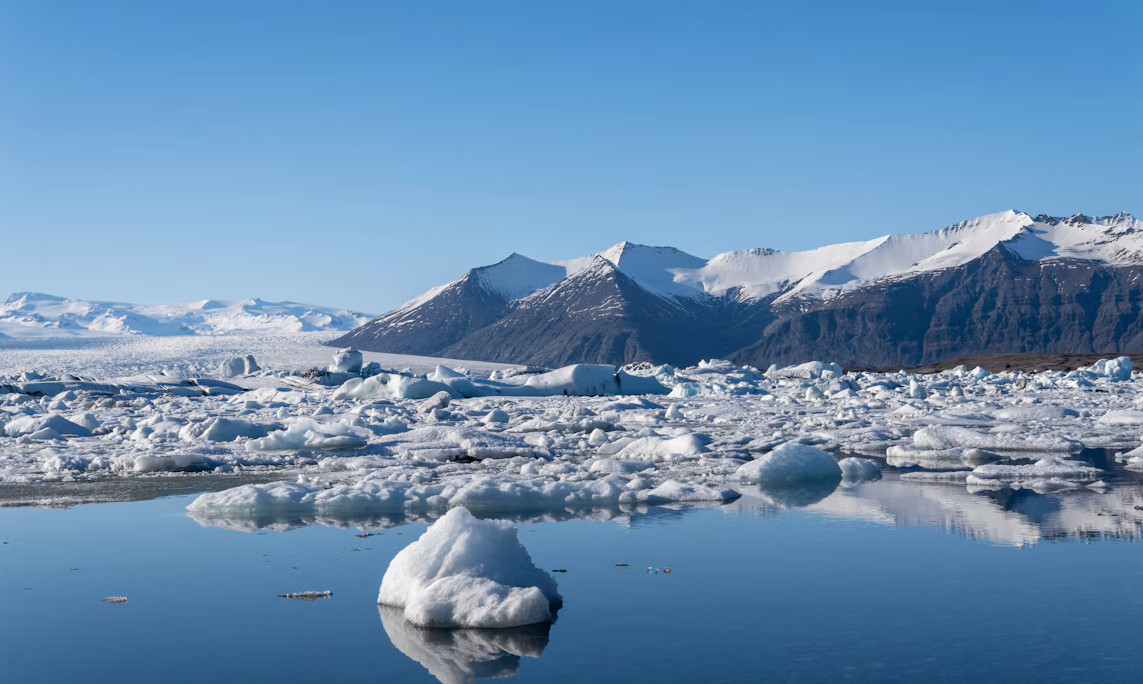
BEST FOR GLACIER LAGOON AND ICE CAVES
Iceberg-filled lagoon scenery, Diamond Beach and seasonal guided ice-cave experiences in the wider Vatnajökull region.
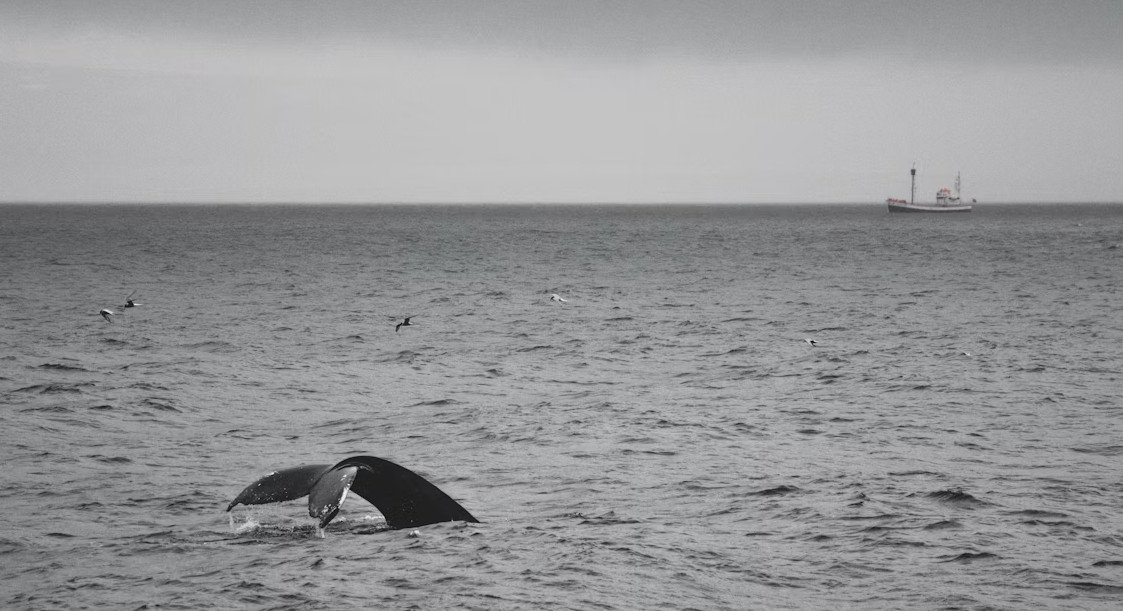
BEST FOR WHALE WATCHING
Sea-based wildlife experiences plus access to the surrounding northern region.
Use this map to orient your route around Reykjavík, Snæfellsnes, Akureyri, Húsavík, Lake Mývatn, the Golden Circle, Vík and Jökulsárlón. The pins show locations, not a single recommended driving route. Icelandic winter travel times can change dramatically with weather.
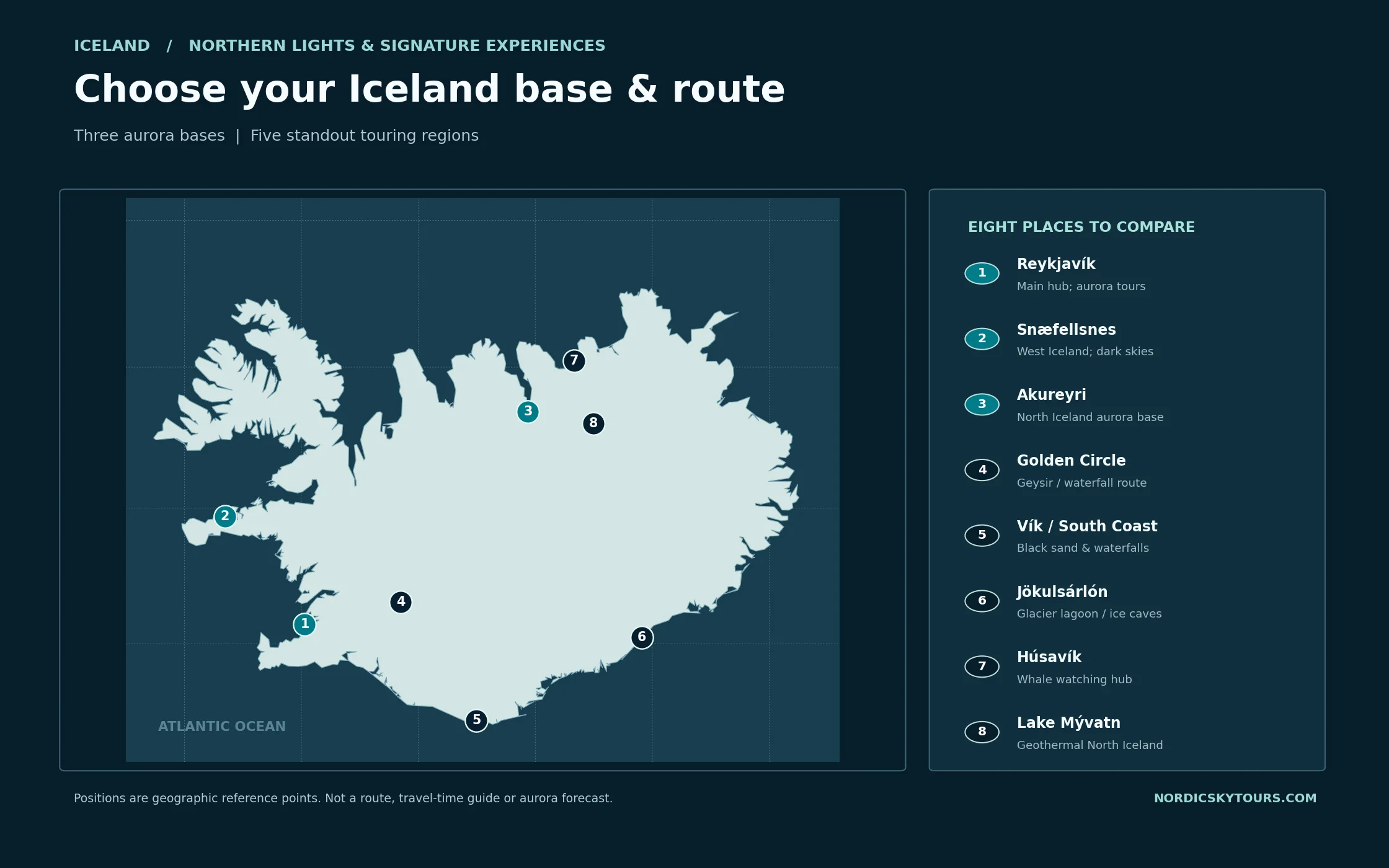
On smaller screens, scroll horizontally to view the full map. Check current road conditions, weather alerts and specific tour meeting points when planning a journey.
The question is not only which tour has good photos. Consider how the experience responds to cloud cover, the time available in your itinerary and whether you value warm, simple transport or a smaller-group night.
| Tour style | Best for | Check carefully | Next step |
|---|---|---|---|
| Classic coach aurora tour | Straightforward first attempt with a lower-complexity departure from Reykjavík. | Group size, pickup zone, rescheduling rules and time outdoors. | Check availability |
| Small-group minibus chase | Travelers who value flexibility, fewer people and a more personal evening. | How far the route can move, night duration, inclusions and photo help. | Check availability |
| Aurora yacht / coastal sailing | A distinctive night on the water with a different city-sky perspective. | Wind and sea conditions, motion sickness, warm space and cancellation policy. | Check availability |
| North Iceland aurora outing | Visitors staying around Akureyri rather than making a long Reykjavík transfer. | Meeting point, transport, weather decisions and actual return time. | Check availability |
| Golden Circle + aurora combination | Visitors wanting a daytime highlight and an evening viewing attempt. | Total day length, breaks, sequence of activities and what happens if skies stay cloudy. | Check availability |
Pick the experience format, not a claimed guarantee of nature.
First-time visitor based in Reykjavík: Start with a coach or small-group land tour and keep another evening open.
Photography comes first: Favor darker conditions, flexible timing and a guide who explains camera expectations; bring a tripod.
Traveling with children or cold-sensitive guests: Check the late return, onboard warmth and whether lengthy outdoor waiting is required.
Already staying in North Iceland: Choose an Akureyri-based excursion; a Reykjavík pickup does not serve this region.
Choosing a cruise: Book it for the water-based experience and allow for marine-weather cancellations.
These are five distinct ways to plan an aurora attempt. Compare operators by your overnight base, comfort, photography needs and how they handle a cloudy or cancelled night. The displayed product is not proof of a visible aurora on your selected date.
A familiar, accessible way to try the dark skies beyond the capital. A good fit when you want an organized evening without arranging a rental car.
Check before booking: Coach meeting point or pickup, hot-drink inclusions, duration and the operator’s rebooking rules.
A smaller group and minibus format for people who prefer a more personal night and potentially adaptable locations when roads and weather permit.
Check before booking: Group cap, photography support, return time, route flexibility and cancellation policy.
A practical option if your accommodation is in the north. Avoid assuming that all Icelandic Northern Lights products depart from Reykjavík.
Check before booking: Exactly where you meet, whether transport is included, group size and likely late-night timing.
A more atmospheric alternative to a road chase, with open-sky viewing from the water when sea and wind conditions allow.
Check before booking: Yacht facilities, warm clothing, seasickness, wind limits and cancellation arrangements.
A combined itinerary for visitors keen to fit major sights and one aurora attempt into a busy schedule. It is not a substitute for multiple clear-sky nights.
Check before booking: Total time away, whether both activities take place on the same date, meals, rest breaks and poor-weather policy.
For Northern Lights, the practical viewing season is usually September through April, because darkness is essential. Clear skies, location and geomagnetic conditions can matter far more than the exact winter month. Summer offers a different kind of Iceland trip: long daylight, countryside drives and wildlife opportunities.
Weather beats the calendar. For aurora planning, check the cloud-cover map rather than relying only on a high activity number. A low-activity night with clear skies may be more useful than strong activity hidden behind heavy cloud.
A Reykjavík stay does not need to be only about late-night aurora tours. The Golden Circle is the classic short-range sightseeing circuit; the South Coast is longer and more weather-exposed. Snæfellsnes is a different western route, while Jökulsárlón is much farther east and is best planned carefully.
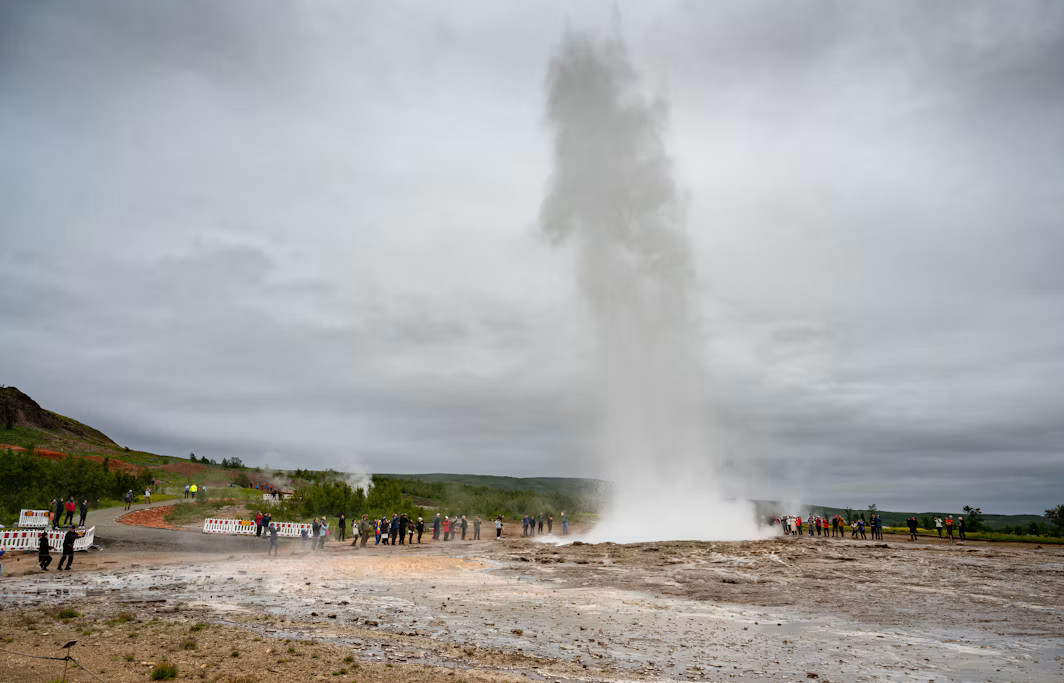
A strong first-day choice for Þingvellir, geothermal activity and waterfalls with the advertised crater stop. Often easier to fit into a Reykjavík-based holiday than a far-eastern glacier lagoon trip.
Check before booking: Which stops and entry fees are included, pace of the day and your pickup point.
A full-day itinerary featuring the landscapes of southern Iceland. It suits travelers who prefer guided transport over difficult self-driving conditions.
Check before booking: Whether the itinerary actually visits a glacier or only a viewpoint, black-sand beach safety and return time.
A distant full-day outing to the icebergs and black-sand coast near Vatnajökull. The scenery can be exceptional, but this is not a short excursion from Reykjavík.
Check before booking: Confirm the real pickup origin on the current listing, total hours, road conditions and the possibility of weather changes.
A scenic route shaped by coastal cliffs, mountain views and varied volcanic landscapes. It is a sensible alternative to the South Coast if western Iceland interests you more.
Check before booking: Departure city, hotel pickup, winter road conditions and the actual time at each stop.
Iceland’s glaciers deserve a separate decision. Guided cave and glacier experiences depend on the specific site, access roads, season and safety assessment. In particular, Vík, Skaftafell and Jökulsárlón are different meeting areas, not interchangeable Reykjavík pickup points.
A guided off-road and cave-focused outing built around the Katla glacier area. Useful if you are already on the South Coast and want an active experience rather than a standard coach sightseeing day.
Check before booking: Meet in Vík unless the current tour expressly says otherwise; confirm age restrictions, equipment and tour accessibility.
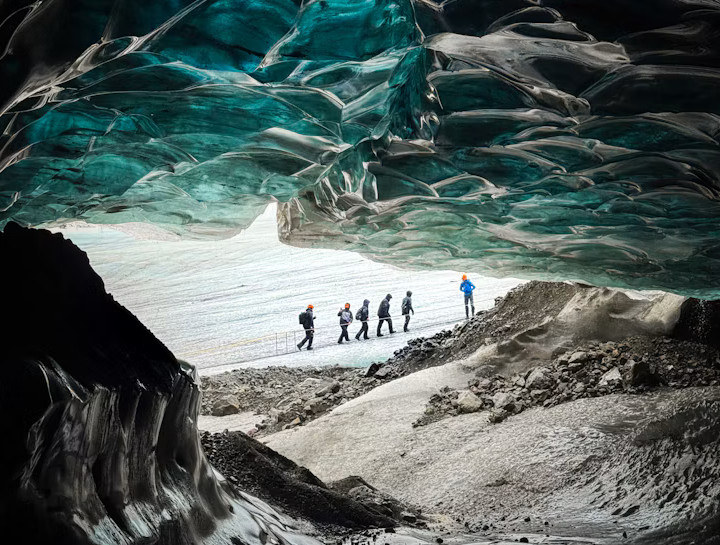
A guided ice-cave experience near the glacier-lagoon region. Ice cave formations and access change over time; photographs show one moment, not a guaranteed cave appearance.
Check before booking: Exact meeting place, current cave access, included protective gear and cancellation for unsafe conditions.
An active glacier-country experience for travelers comfortable with uneven surfaces, specialized footwear and a guided outdoor itinerary.
Check before booking: Physical effort, age requirements, guide credentials and the actual Skaftafell-area meeting point.
A distinctive alternative to glacier hiking: snorkel in cold, exceptionally clear water in Þingvellir National Park with specialist equipment and a trained guide.
Check before booking: Dry-suit fit rules, medical and age requirements, swimming comfort and photo delivery.
These experiences can work on a trip when the aurora forecast disappoints, and some are excellent reasons to visit in their own right. Decide whether you want a relaxing geothermal stop, a Reykjavík harbor cruise or a North Iceland wildlife trip; their transport requirements are different.
An accessible Reykjavík-area relaxation choice that pairs well with an active Golden Circle or South Coast day.
Check before booking: Exact admission package, age rules, travel to the facility and chosen arrival time.
A geothermal stop for travelers interested in the Blue Lagoon experience. It is not in central Reykjavík, and Reykjanes access restrictions can affect opening and transfers.
Check before booking: Current opening status, safe access, transfer plan and exactly what the entry package includes.
A convenient sea-based wildlife attempt from the capital area, with a different pace from bus tours and glacier activities.
Check before booking: Cruise duration, warm clothing, motion sickness, cancellation terms and seasonal wildlife expectations.
A more activity-focused option in North Iceland with potential whale watching and seasonal puffin viewing. It is not a quick add-on to a Reykjavík city stay.
Check before booking: Boat type, weather exposure, age/height restrictions and whether puffins are present in your travel month.
Iceland rewards different trip lengths. A short city break may need just one guided day trip; a seven-day Ring Road journey is a separate holiday style with multiple stops and more weather exposure.
AKUREYRI / NORTHEAST ICELAND
North Iceland day tour focused on volcanic landscapes and the Goðafoss waterfall. Especially useful for Akureyri-based stays and some port itineraries.
Before booking: Confirm whether pickup is from Akureyri Port or city accommodation and how long you have at each stop.
REYKJAVÍK / ACTIVE GLACIER DAY
An adventure combination for visitors who want famous sights and a motorized glacier excursion rather than a conventional coach-only day.
Before booking: Snowmobile licensing and passenger rules, glacier access, equipment and weather contingency.
ICELAND / MULTI-DAY EXPLORATION
A longer guided journey for travelers who want a broader sense of Iceland without organizing every transfer individually.
Before booking: Overnight accommodation details, luggage, meals, seasonal route changes and total group size.
REYKJAVÍK / PREMIUM AERIAL EXPERIENCE
A premium scenic perspective aimed at travelers who value dramatic aerial terrain and a more personal experience.
Before booking: Weight limits, actual landing locations, flight duration and weather-related rescheduling.
Iceland’s biggest itinerary mistake is trying to do every famous attraction in one short trip. Decide where you will sleep, protect time for bad weather and choose activities whose actual meeting points fit your route.
For a first visit, Reykjavík makes a flexible base for aurora attempts and classic day trips. Choose Akureyri for North Iceland. For Katla or Vatnajökull tours, plan a realistic South Coast overnight route where necessary.
Three to five nights is a sensible target when the Northern Lights are your priority. Book an early attempt and leave some later flexibility; neither a high activity forecast nor an expensive tour makes the skies clear.
Wind, snow, ice and closures can change driving times dramatically. Check current forecasts and safety advice, use suitably equipped vehicles and do not force a long transfer when conditions deteriorate.
Confirm whether the tour begins in Reykjavík, Vík, Skaftafell, Jökulsárlón, Akureyri or Húsavík. Review age restrictions, swimming requirements, physical effort, weather policy and included equipment.
Build your route around the reason for traveling, and leave the weather some room.
Reykjavík aurora-focused, 4 nights: Use one day for the Golden Circle, one for a South Coast tour, reserve one early aurora evening and keep another night available for the clearest forecast. Add a lagoon or local museum when the weather is poor.
South Coast winter route, 5–7 nights: Start around Reykjavík, travel toward Vík, allow time around Skaftafell and Jökulsárlón and book cave or glacier experiences from their real meeting points. Include weather buffers and an overnight route rather than a forced same-day return.
North Iceland, 3–5 nights: Base yourself around Akureyri, combine a northern aurora attempt with Mývatn and Goðafoss, and visit Húsavík when seasonal boat schedules and conditions permit.
Summer nature trip: Skip expectations of dark-sky aurora viewing and prioritize landscapes, longer daylight, whale watching and appropriate glacier activities.
Coastal wind can make a relatively modest thermometer reading feel much colder while you stand still outdoors. Layering is more reliable than relying on a tour’s optional outer clothing alone.
Once you know your base and activity priorities, these guides help you compare specific experiences without mixing geographically distant regions.
Aurora departures, city logistics and guided day trips.
Plan a stay beyond Reykjavík and compare northern options.
Western peninsula routes and scenic photography.
Understand the crucial role of darkness and seasonal expectations.
From evening aurora attempts to glacier days and geothermal breaks, start with your travel dates and actual base.

Explore the experiences that match your travel dates. Always read the current operator details before booking.
These answers focus on real booking and itinerary decisions, including seasonal access and the difference between a tour’s marketing title and its departure location.
For a first-time visit, Reykjavík is the simplest base because guided aurora tours and daytime excursions often depart from the capital. Akureyri is a useful alternative for travelers already exploring North Iceland. A dark rural overnight stay can offer good viewing conditions, but only when skies are sufficiently clear.
The usual viewing season runs from around September to April, when nights are dark enough. Actual visibility also depends on cloud cover, auroral activity and local light pollution. Midsummer nights are too bright for ordinary Northern Lights observation.
Plan around three to five nights if possible. This gives you more than one chance when clouds or tour cancellations interrupt an evening. It cannot guarantee a sighting.
No. Some companies offer conditional second tours, refunds or credits, but no operator can promise natural aurora activity or clear skies. Read the specific terms, including blackout dates or eligibility for a free repeat.
A smaller group can offer a more personal experience and may make stops more flexible, but outcomes depend heavily on the operator, road safety and cloud conditions. A larger coach tour can be easier on budget and logistics. Compare meeting point, duration and policy before choosing.
Some Reykjavík-based boat tours offer nighttime viewing from the water. They depend on wind and sea conditions and may be cancelled even when land tours can run. Choose a yacht trip for the marine experience, not for a guaranteed viewing advantage.
Some guided day trips advertise this long journey, but it involves substantial time on the road. For a more relaxed South Coast plan, consider overnight stops around Vík, Skaftafell or nearby areas and allow for winter weather.
Not necessarily. A Katla tour may start in Vík, while other ice-cave activities depart from the Jökulsárlón or Skaftafell area. Check the current product meeting point and transportation inclusions before booking.
Glaciers and ice caves have shifting ice, crevasses and weather-related hazards. Use qualified local guides and appropriate specialist equipment. Do not enter an ice cave or walk on glacier ice without the experience and safety arrangements required for that location.
Sky Lagoon is convenient for many Reykjavík stays and focuses on a spa ritual with oceanfront atmosphere. Blue Lagoon is on the Reykjanes Peninsula and may be useful for airport-area routing. Compare facilities, entry packages, transport and live access restrictions.
Whale-watching trips operate in more than one season depending on the port and operator, but puffin-focused experiences are seasonal and generally tied to the warmer breeding months. Check Húsavík or Reykjavík departures for your actual travel dates.
No. The Golden Circle is an inland sightseeing route typically covering Þingvellir, the Geysir geothermal area and Gullfoss. South Coast tours head toward waterfalls, black-sand beaches and glacier scenery. The regions and total travel times are different.
Keep activities flexible. Check warnings and road conditions daily, avoid unsafe self-driving and review each operator’s cancellation and rescheduling rules. Tour plans should change when conditions are dangerous, even if your time in Iceland is limited.
A guided day trip fits a visitor staying in one base, while a multi-day Ring Road journey is a different commitment involving hotels, transport and seasonal route restrictions. Compare the complete itinerary rather than just the number of sights listed.
Choose the right place to stay, protect time for weather changes and compare tours by what they genuinely provide. A satisfying Iceland holiday works even if the aurora stays behind clouds: the glaciers, coast, waterfalls and geothermal landscapes offer distinct experiences in their own right.
NordicSkyTours is an independent guide to choosing Iceland experiences. Tours are provided by the operators shown on the linked booking pages, where you can review current schedules and terms.

On the From Akureyri: Myvatn Lake, Craters, & Waterfall Tour, you get to explore some of North Iceland’s most unique…
Read More »
You cannot see the northern lights in Iceland during summer because the nights are too bright and the sky never…
Read More »
If you’re looking for a personal adventure in Iceland, an extra-small group glacier hike in Skaftafell offers a unique and…
Read More »
On the Silfra Fissure Snorkeling Tour, you get the rare chance to swim between two tectonic plates and capture underwater…
Read More »
Þórsmörk, also called the “Valley of Thor,” is a place you can best explore by taking a Super Jeep tour.…
Read More »
If you want to see Iceland’s top sights without missing hidden gems, the 8-day small group Circle of Iceland tour…
Read More »