FIRST DECISION
Where should I stay?
Tromsø offers guided chases and coastal scenery; Reykjavík offers easy access to Icelandic day trips; Lapland bases are suited to winter activities. Your best base depends on the whole trip.
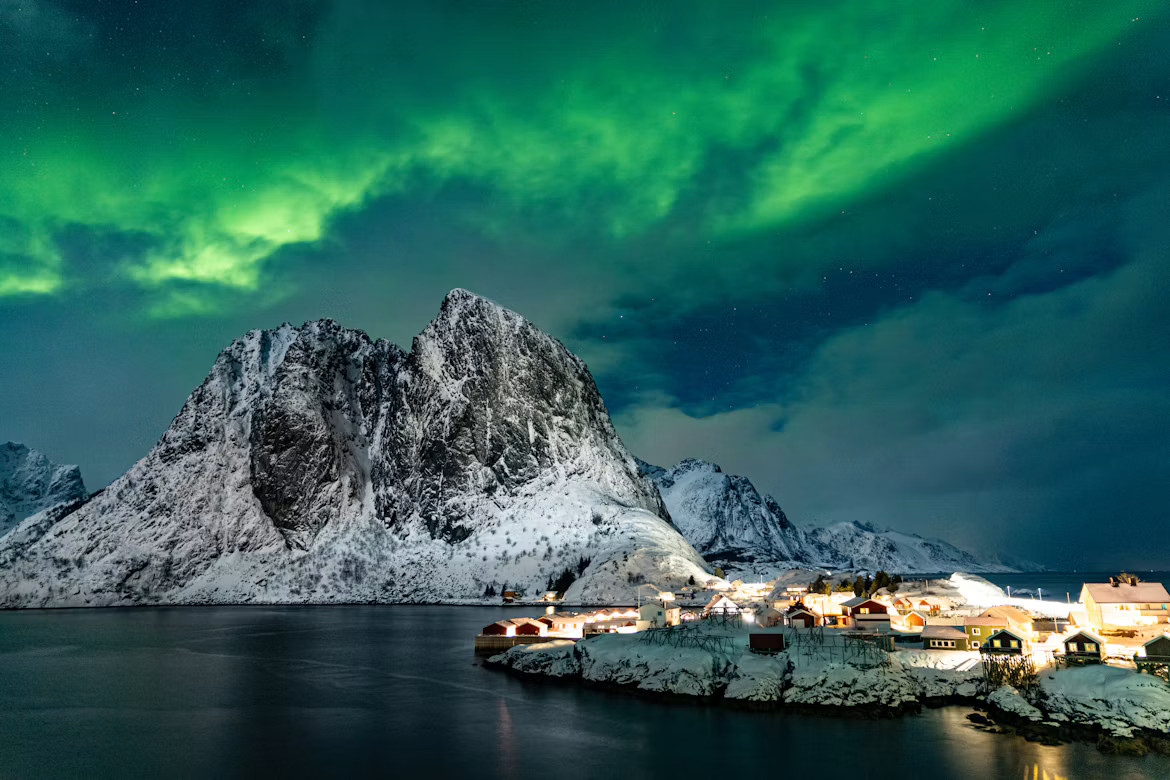
NORDICSKYTOURS / NORTHERN TRAVEL LIBRARY
Plan around the northern sky, not a promise of perfect conditions.
Compare destinations, choose the right season and understand what changes between aurora chases, photography tours, winter adventures and Arctic summer. Start with the decisions that matter most to your trip.
THREE QUESTIONS BEFORE YOU BOOK
A good itinerary can make sense even on a cloudy night. Choose a base, allow time for changing conditions and make room for experiences you would enjoy regardless of the aurora.
FIRST DECISION
Tromsø offers guided chases and coastal scenery; Reykjavík offers easy access to Icelandic day trips; Lapland bases are suited to winter activities. Your best base depends on the whole trip.
SECOND DECISION
Darkness is essential, but not sufficient. Compare seasons, daylight hours, tour operation and the time you can spend in each destination.
THIRD DECISION
An organised group, private guide, cruise and photography outing provide different experiences. The most expensive option is not automatically the best match.
WHERE TO GO
These places differ in transport, weather, landscape and what you can do during the day. They are not a ranking of guaranteed aurora success.
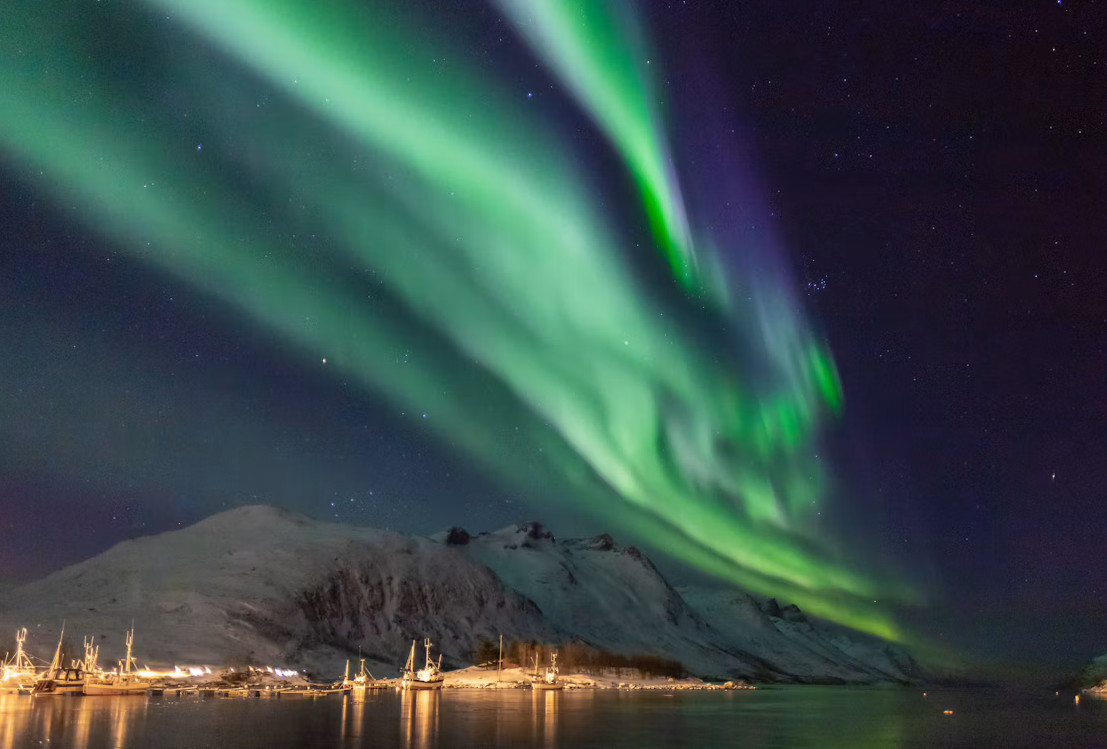
NORWAY · COAST & AURORA
A practical base for guided Northern Lights outings, fjords and winter activities. Coastal cloud conditions can be changeable.
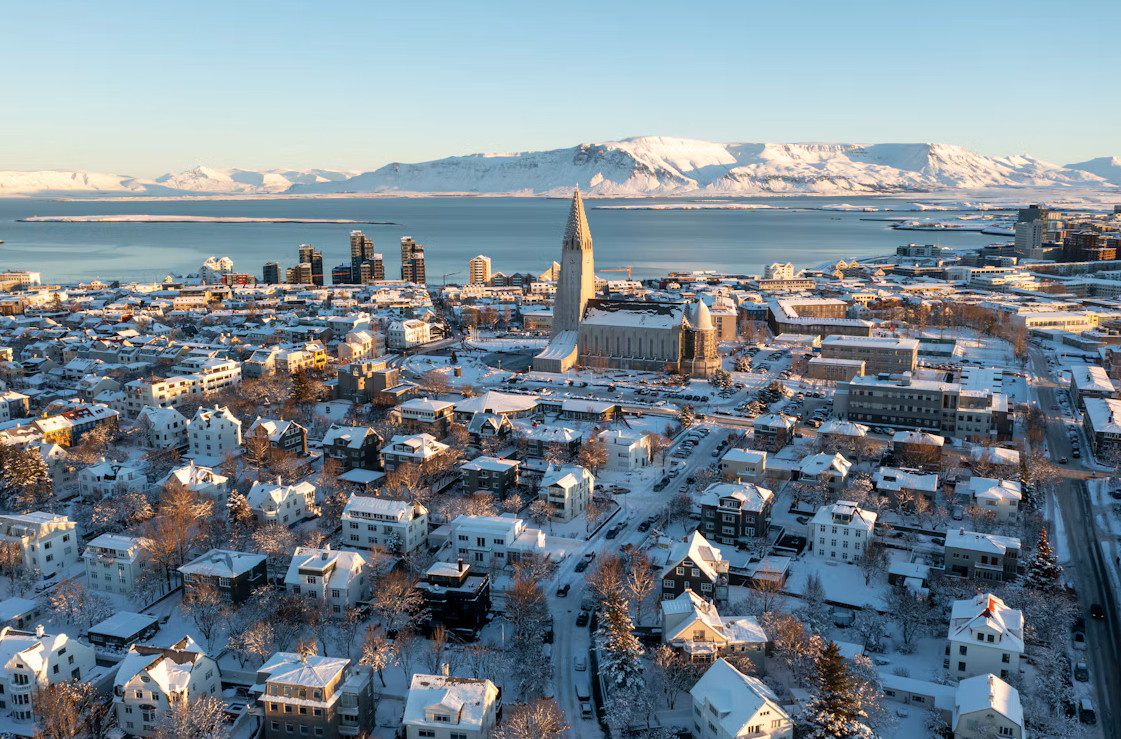
ICELAND · CITY & DAY TRIPS
Well connected for Icelandic excursions, spas and evening aurora tours. Viewing still depends on darkness and clear sky.
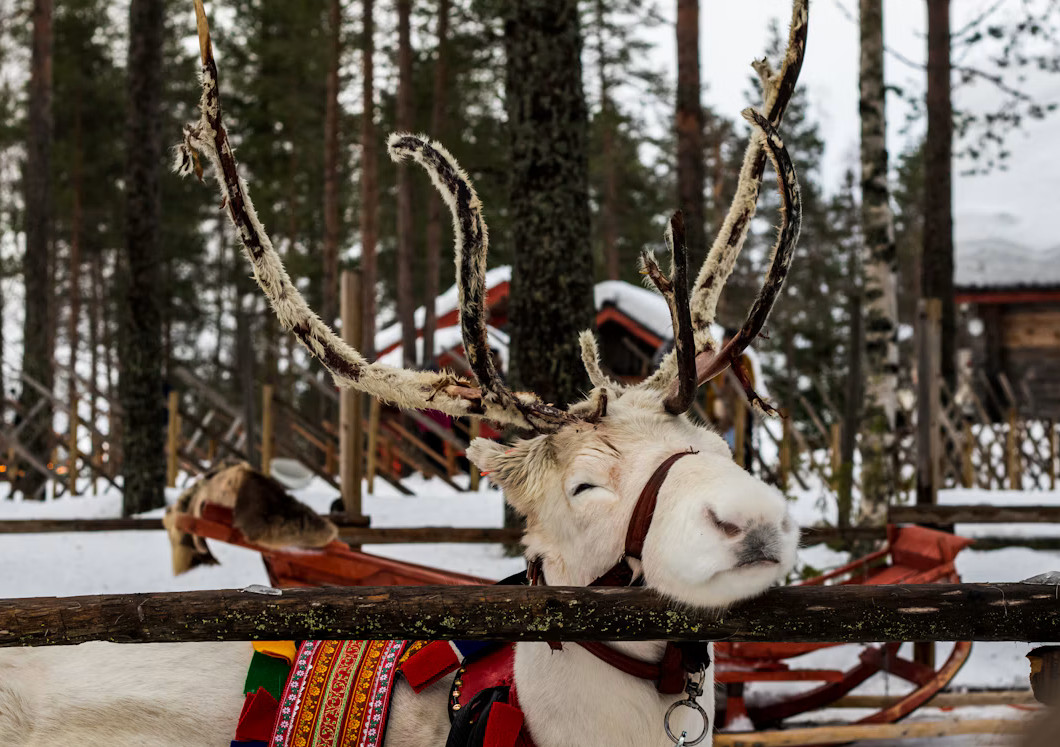
FINLAND · LAPLAND WINTER
Combine aurora outings with reindeer, husky and family-oriented winter activities. Check how far tours travel from town.
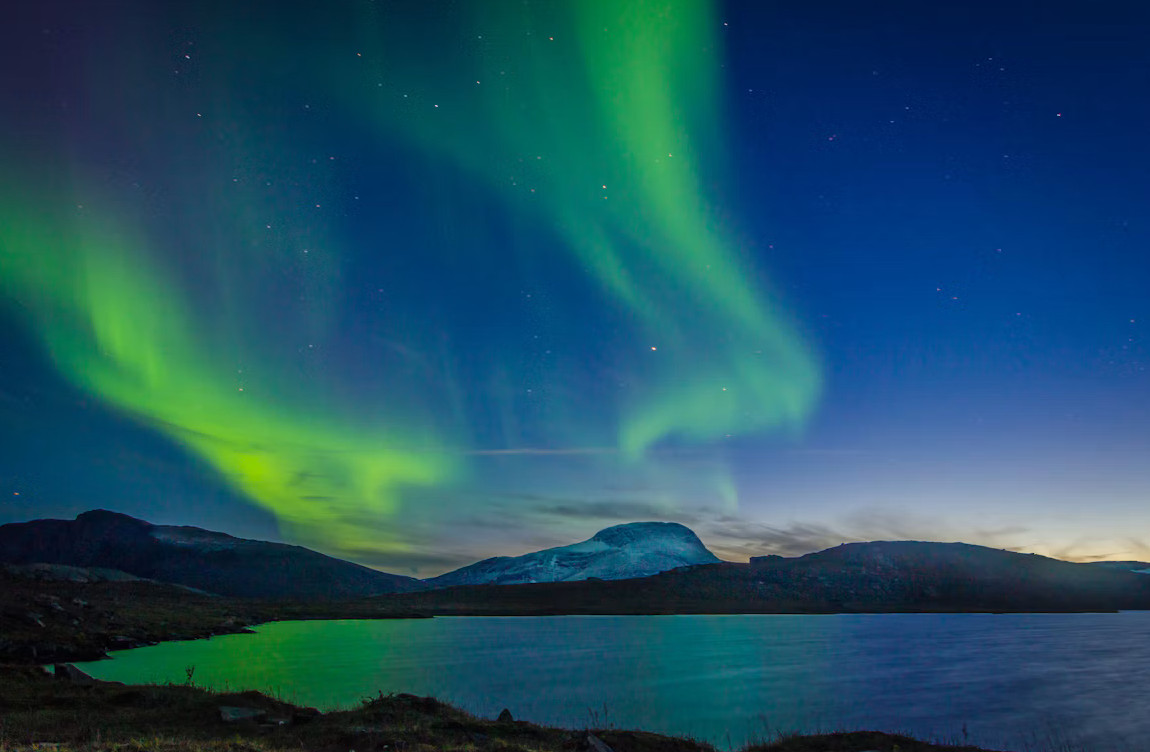
SWEDEN · ARCTIC LANDSCAPES
A smaller northern base for mountain scenery and aurora-focused nights. Transport and accommodation need advance planning.
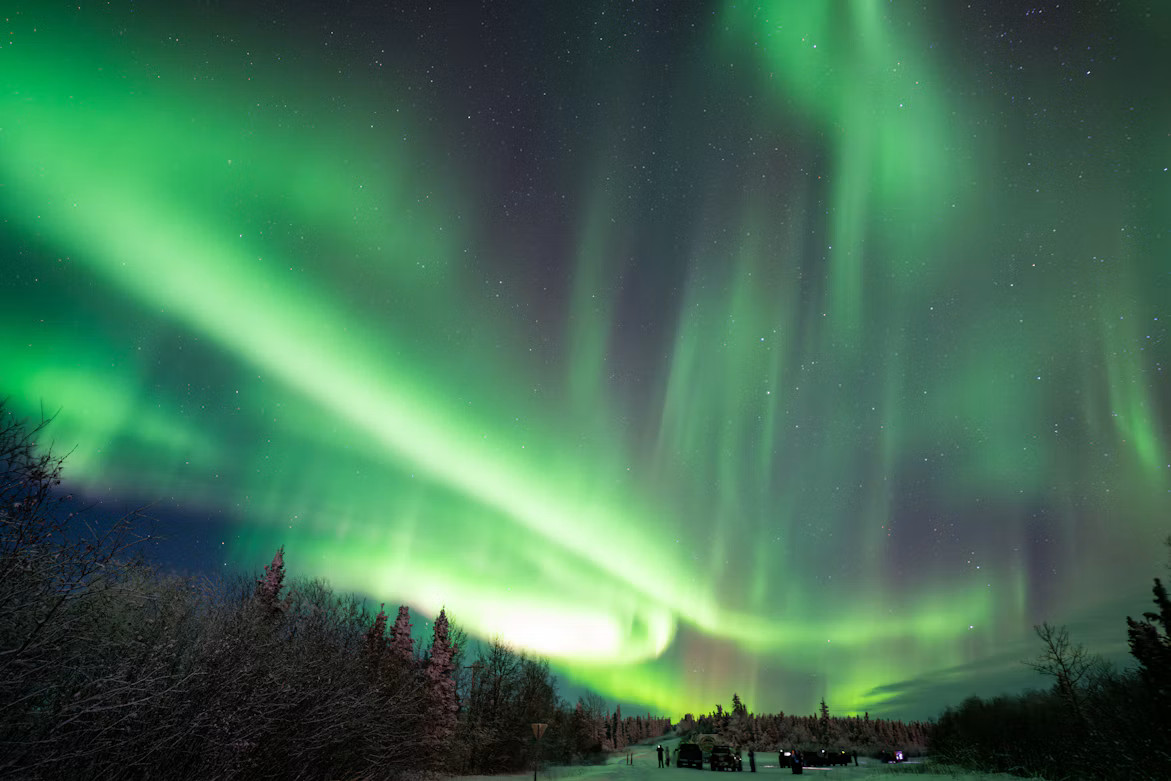
ALASKA · INTERIOR WINTER
An established base for Alaska aurora trips and winter excursions. Prepare for low temperatures and potentially late nights.
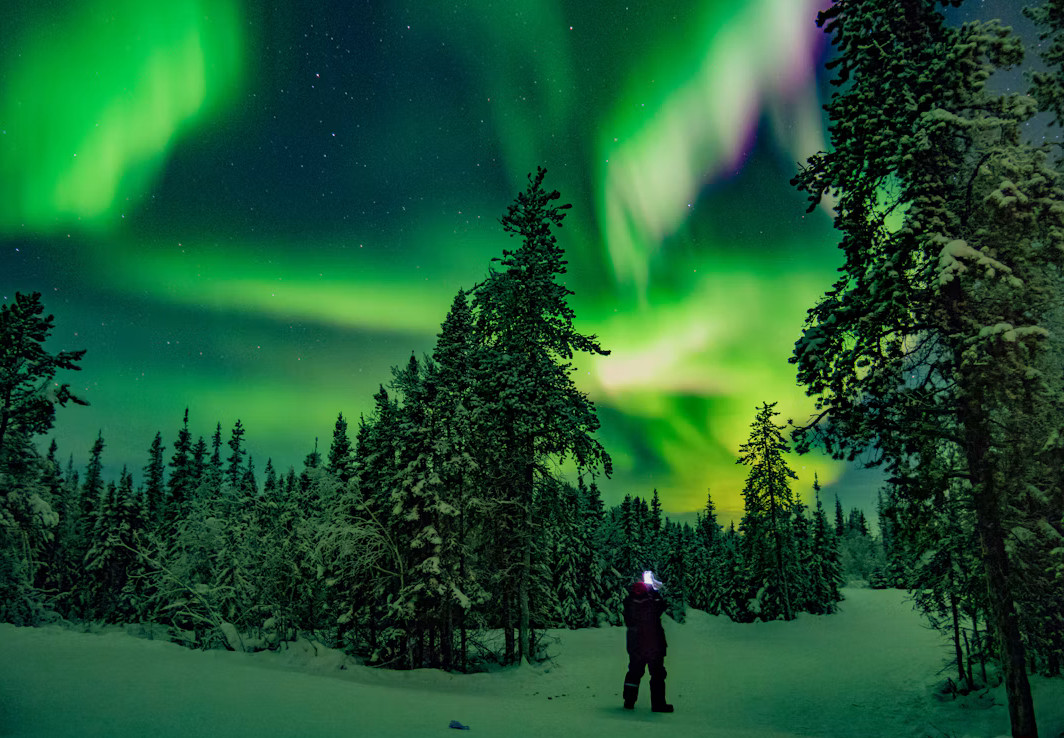
CANADA · NORTHERN NIGHTS
A northern option for visitors prioritising dark-sky outings and winter scenery. Plan carefully for flights and cold.
WHEN TO TRAVEL
An aurora trip needs dark skies, but the season also shapes weather, snow activities, road conditions and how much time you have for sightseeing.
AUTUMN & RETURNING DARKNESS
Dark nights gradually return in northern destinations, although snow-based winter experiences may not yet be operating. Dates and conditions vary by region.
MIDWINTER
Long nights support aurora viewing, but days can be very short. Expect cold, busy holiday dates in some destinations and weather-dependent transport.
LATE WINTER
Many northern locations combine still-dark evenings with increasing daytime light. Winter conditions can remain demanding; tour schedules are destination-specific.
THE LIGHTER ARCTIC
Long daylight hours are ideal for coastlines, hiking and wildlife. Around the Midnight Sun period, bright skies make aurora viewing impractical in far-northern locations.
Northern Lights seasons differ by latitude. Darkness alone is not a forecast: clear sky and auroral activity are also needed. Confirm actual operating dates before you book.
HOW YOU TRAVEL CHANGES THE EXPERIENCE
Think about flexibility, group size, photography support and your appetite for a late winter evening, rather than choosing by a dramatic photograph alone.
| Tour style | Why people choose it | Important trade-off |
|---|---|---|
| Guided group | Organised transport and an accessible first aurora outing | Group size and route flexibility vary |
| Private | A more personal pace and potential itinerary control | Check what can actually be customised and the total cost |
| Photography | Camera guidance, portraits or extra photo time | Instruction and edited photos are different inclusions |
| Aurora cruise | Fjord scenery and a night on the water | Sea conditions and less freedom to chase clear skies |
| Luxury | Additional comfort or premium service | Premium amenities do not guarantee a display |
Tour details differ between operators and destinations. Check pick-up arrangements, cancellation terms, equipment, duration and whether a route can change with cloud cover.
MORE THAN ONE REASON TO GO NORTH
Choose daytime activities for their own merits. Some depend on snow or ice; others depend on tides, sea conditions, local wildlife or long summer days.
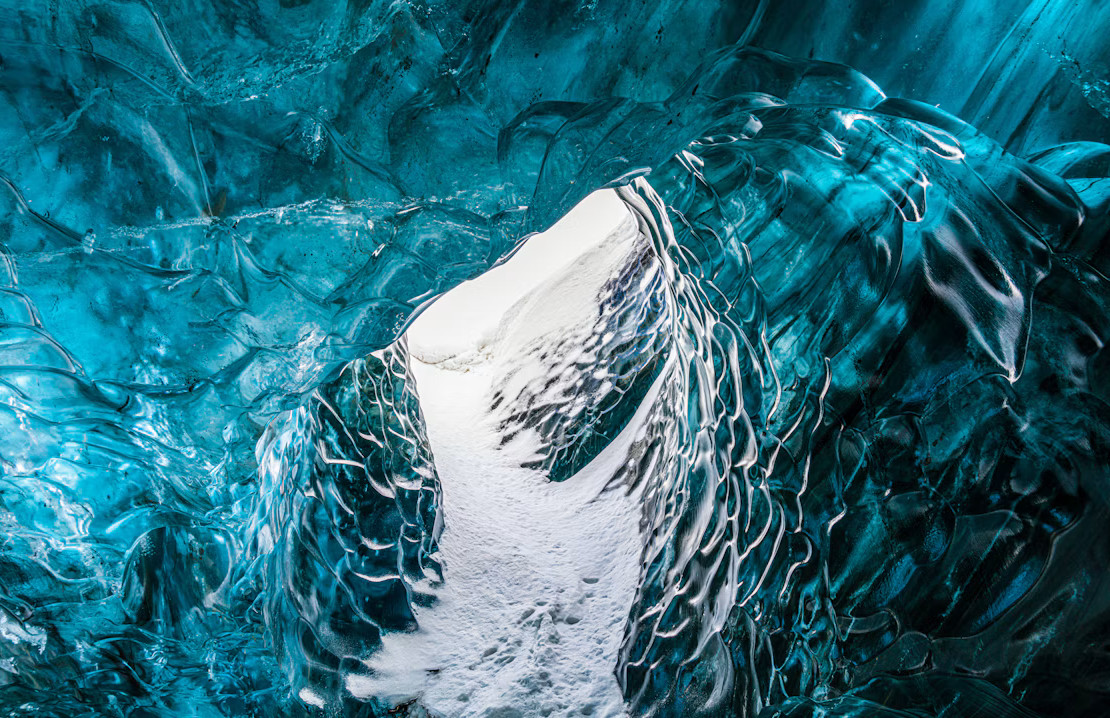
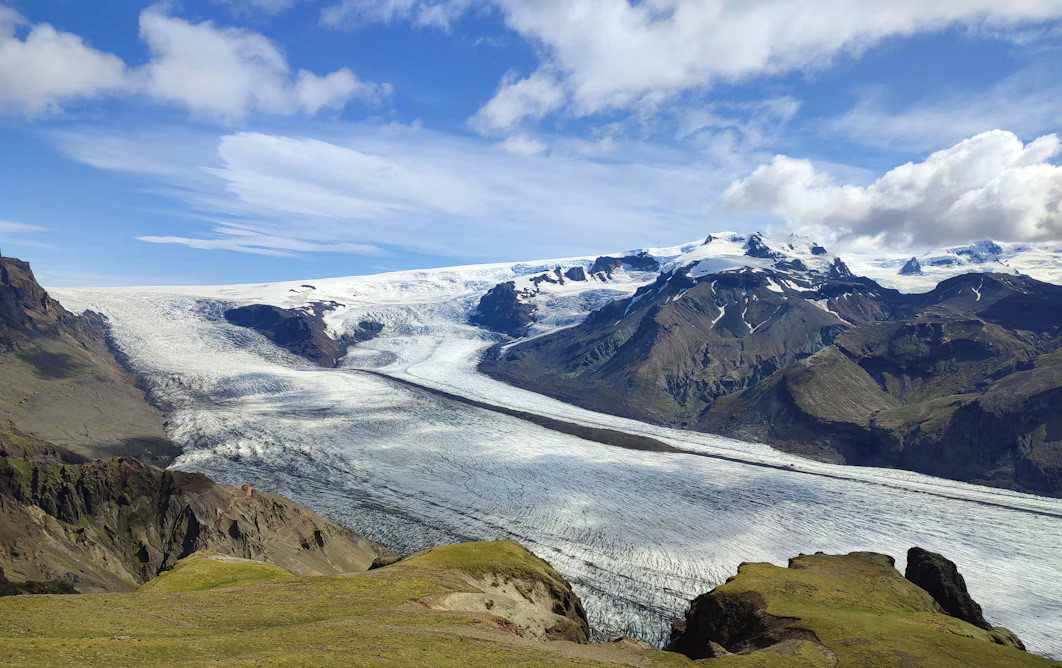
ICELAND · ICE & GLACIERS
Ice cave access is seasonal and guided routes depend on current ice and weather conditions.
ICELAND · ACTIVE EXCURSIONS
Specialist equipment, weather checks and suitable fitness matter more than a dramatic photograph.
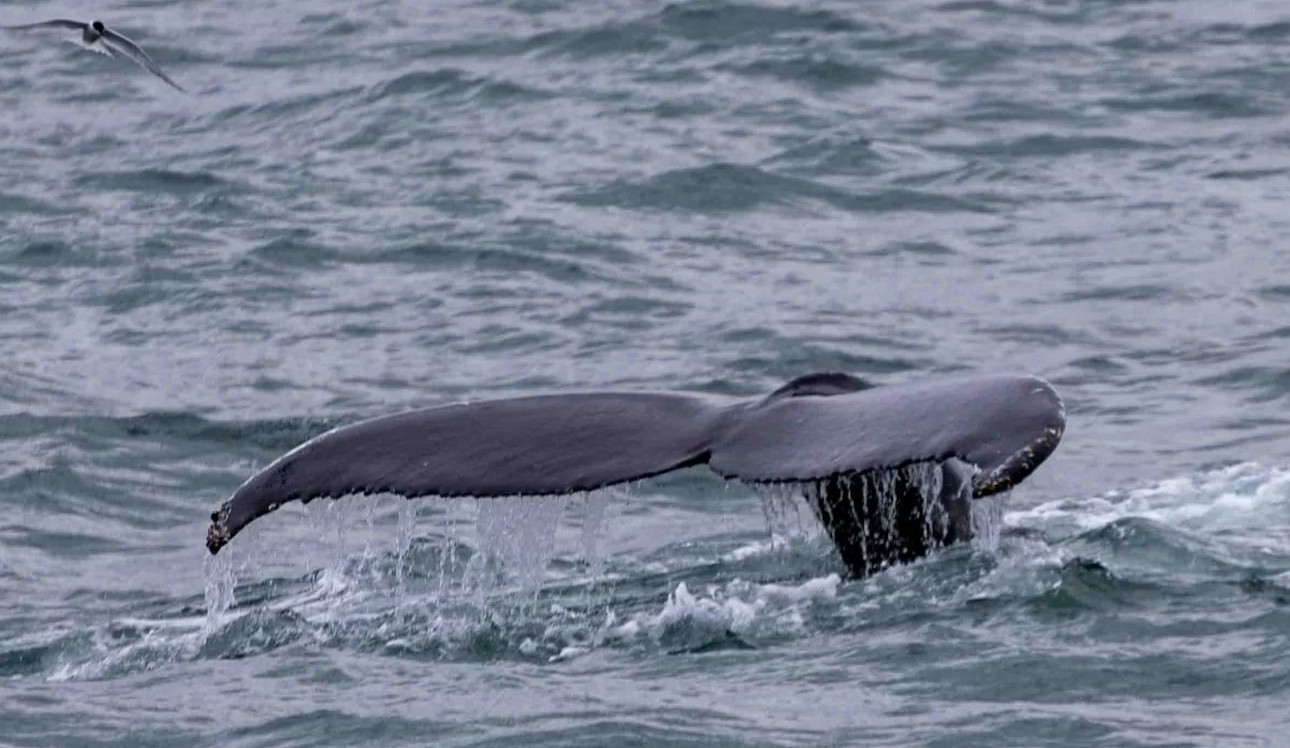
NORTH ICELAND · WILDLIFE
Wildlife sightings are never guaranteed, and the experience depends on season and sea conditions.
Active snow excursions in Swedish Lapland. Check whether you drive or ride as a passenger and confirm age limits.
Coastal scenery works beyond aurora nights, though boat departures are weather-dependent.
A calmer Icelandic day: compare locations, rituals, transport and what the ticket includes.
Coastlines, hiking, wildlife and long daylight replace the winter aurora rhythm.
PREPARATION & REALISTIC EXPECTATIONS
Choose the next guide based on the question you still need answered. For an entire, date-ordered list of articles, browse our Blog.
What to check before treating a lower-priced group outing as better value.
Compare winter darkness, locations and the conditions that can complicate travel.
The practical trade-offs between deeper winter and longer daylight hours.
Why northern summer daylight changes your aurora plans.
What personal photography support means and what should be included.
What is worth doing when true dark nights are scarce.
QUESTIONS BEFORE YOU TRAVEL
Darker months, broadly from autumn into early spring, offer viewing opportunities at many northern destinations. The useful dates vary with latitude. Darkness, clear sky and auroral activity must overlap, so no month guarantees a sighting.
There is no single best country. Tromsø suits travellers who want a large choice of guided aurora outings with fjords nearby; Reykjavík supports varied Iceland itineraries; Finnish and Swedish Lapland offer different winter experiences. Compare travel time, weather, daytime activities and your budget.
No. You can sometimes see the aurora independently where conditions and local access permit. Guided outings help with transport and local decision-making, and some can adapt to cloud cover. Their ability to move and their included services vary.
Several nights are preferable when aurora viewing matters to you. A three- to five-night stay can provide more opportunities than a single night, but even a longer stay cannot promise clear sky or an aurora display.
Neither is universally better. Cruises offer coastal scenery and the atmosphere of being on the water. Road-based tours may have more flexibility to look for clearer inland conditions, depending on their route and operating limits.
In areas experiencing the Midnight Sun or very bright summer twilight, darkness is insufficient for ordinary aurora viewing. Use that period for fjords, hiking, wildlife and other daylight activities instead.
Confirm the meeting point, transport, group size, duration, weather or cancellation policy, suitable clothing and any age or fitness requirements. For photography trips, check whether instruction, portraits and edited images are actually included.
Choose your base, compare tour styles and keep enough flexibility for the northern weather. For newly published articles and the complete chronological archive, visit the Blog.